AI Product Description Myths in the Balkans: Separating Fact from Fiction for Smarter E-Commerce
Debunking AI product description myths in the Balkans with focus on accuracy, cultural relevance, and conversion effectiveness for e-commerce.
 Double O
Debunking Common Myths About AI-Generated Product Descriptions in the Balkans
For small e-commerce businesses across the Balkans, AI-generated product descriptions offer promising opportunities but also raise concerns. Many myths surround AI’s impact on search rankings, cultural relevance, and buyer trust. This article clarifies these misunderstandings with facts and practical advice to help you use AI effectively while avoiding common mistakes.
Myth 1: Google Penalizes AI-Written Product Descriptions
A common fear is that Google automatically penalizes product descriptions created by AI. However, Google’s official guidelines state that AI authorship alone is not penalized. Instead, Google assesses content based on quality, usefulness, originality, and E-E-A-T (Experience, Expertise, Authoritativeness, Trustworthiness).
The real issue is mass-producing generic, low-quality, or duplicated AI content that fails these standards. Such content can harm your search rankings regardless of whether it is human- or AI-generated. The emphasis should be on creating valuable, unique descriptions that address real buyer questions and demonstrate your expertise. [Source: izradawebsajta.org]
Myth 2: Copy-Pasting Supplier Descriptions Is Sufficient
Many Balkan sellers rely on supplier text, assuming it is enough. This approach misses key buyer concerns such as: Who exactly is this product for? Why is it better than cheaper alternatives? What if it doesn’t fit or meet expectations?
Supplier descriptions often lack this depth and are commonly duplicated across many stores. AI search assistants like ChatGPT and Gemini now favor pages with detailed comparisons, sizing advice, and maintenance tips—information absent from typical supplier copy. Consequently, generic descriptions won’t generate traffic or conversions. [Source: aibalkan.ai]
Myth 3: AI Knows Everything About My Product and Can Do It All Automatically
AI’s output quality heavily depends on input data. Providing only a product name and SKU can lead to hallucinations or vague generalizations. To generate compelling, accurate copy, you must supply structured inputs such as material details, dimensions, target audience, common questions, and return reasons.
Moreover, AI lacks access to real-time business data like inventory, current prices, delivery times, or warranty terms. Without manual verification and inclusion of these details, AI may fill gaps with plausible but incorrect information, risking customer trust and liability. [Sources: aibalkan.ai, ai-bot.digital]
Myth 4: Customers Dislike AI-Generated Content
In reality, 78% of Serbian consumers have already used AI tools to assist shopping, mainly for price comparisons (56%), gift ideas (54%), and checking product reviews (41%). Additionally, 90% believe new technologies, including AI, make online shopping faster and easier.
Resistance is not against AI itself but against inaccuracies and fraud risk. Only 9% trust AI with payment transactions, and 30% have recently experienced financial fraud, often on social platforms where 57% of purchases occur. Accurate, localized product descriptions are therefore vital to building trust and reducing scam suspicion. [Source: blic.rs]
Myth 5: English Is Enough for Balkan Markets
Many sellers use English, assuming it suffices for the entire Balkans. However, mixing languages within one store or inconsistent terminology across product categories is common and harmful. It causes confusion, signals unprofessionalism, and undermines buyer confidence.
Culturally consistent, fully localized content in Serbian, Croatian, or Bosnian with uniform tone and terminology is a key conversion factor. It helps your store appear trustworthy and relatable, especially on social commerce platforms where 45% of fraud incidents occur. [Source: virtualna-tvornica.com]
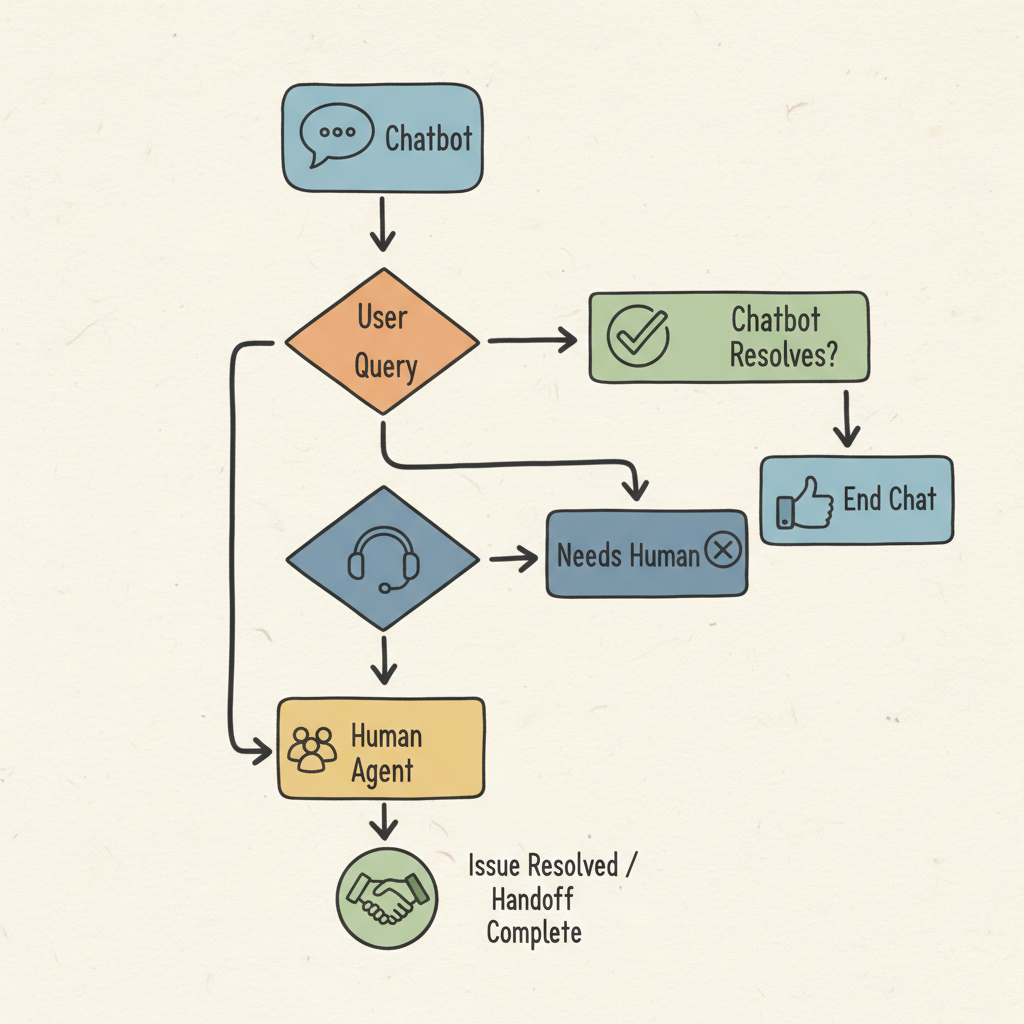
Myth 6: Publish AI Content Immediately Without Human Review
AI-generated descriptions are not flawless. They can produce believable but false information if unchecked. Concrete data like prices, stock availability, delivery dates, and warranty conditions must be verified by humans before publishing.
The best practice is a "human-in-the-loop" approach combining AI efficiency with expert editing. This ensures compliance, brand safety, and accuracy, minimizing risks of misleading customers and legal issues. [Source: izradawebsajta.org]
Conclusion: Using AI Wisely to Enhance Balkan E-Commerce
AI product descriptions are powerful tools but require careful use. Focus on quality over quantity, provide rich structured inputs, verify critical business data, and maintain cultural relevance in language and tone. This approach helps your pages rank well, gain buyer trust, and improve conversions in the competitive Balkan e-commerce market.
By dispelling these myths, you can confidently integrate AI into your content strategy without fearing search penalties or customer backlash. Remember, AI is a tool to assist your expertise—not a magic wand. Use it to complement your knowledge and local insights for the best results.